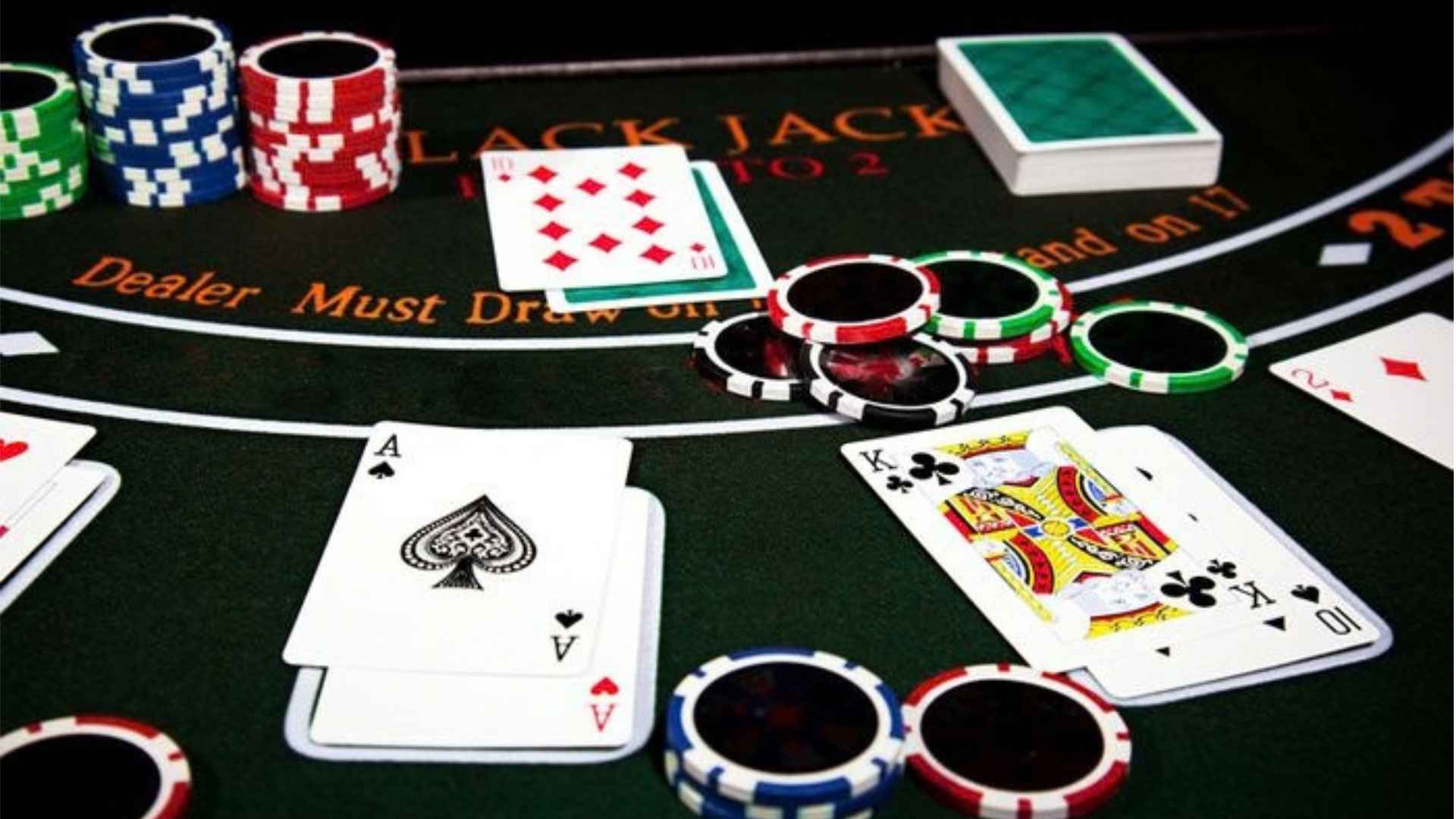
The game of bridge is far more than a simple test of card management; it is a high-stakes mental sport where players must perform under intense situational stress. When competing in tournament settings, maintaining absolute composure during critical decisions often separates successful partnerships from the rest. Cultivating key psychological skills allows players to make logical deductions even when the clock is ticking down.
Developing Disciplined Emotional Regulation
One of the most essential skills in competitive bridge is the ability to compartmentalize mistakes during active play. When a bid goes wrong or a defender misplays a card, dwelling on the error will inevitably lead to compounding mistakes in subsequent rounds. Successful competitors learn to view each new hand as an entirely fresh start, leaving previous failures behind immediately.
This emotional resilience is highly comparable to the focused mindset needed when engaging with a challenging game stick m88, where a single distraction can ruin your overall progress. By practicing deep breathing and maintaining a neutral posture, you prevent opponents from reading your anxiety. Over time, this disciplined routine trains your brain to prioritize current strategy over past frustration.
Mastering Rapid Probabilistic Calculation
Pressure often distorts our perception of risk, causing players to make overly conservative choices or reckless gambles. To counteract this natural stress response, top players rely heavily on structured mathematical calculations rather than raw intuition. Counting the outstanding high card points and mapping remaining suit distributions keeps your mind anchored in objective reality.
When you focus entirely on the numbers, the physiological symptoms of stress begin to fade away naturally. This analytical approach ensures that your tactical choices remain consistent regardless of how high the stakes may feel. Consequently, making decisions based on solid mathematical probability yields much better long-term outcomes.
Fostering Strong Partnership Trust
Bridge is uniquely built around two-person cooperation, meaning that your stress levels are always directly linked to your partner's actions. When pressure mounts, it is incredibly easy to lose faith in your teammate's bidding signals or defensive leads. Establishing an unbreakable foundation of mutual trust before entering a game is vital for maintaining collective focus.
When both players know they will not face harsh criticism for a mistake, they can bid and play with much greater freedom. This reassuring team dynamic minimizes the fear of failure, which is often the root cause of hesitation during key moments. Supporting your partner through difficult situations ultimately leads to much more cohesive and victorious gameplay.