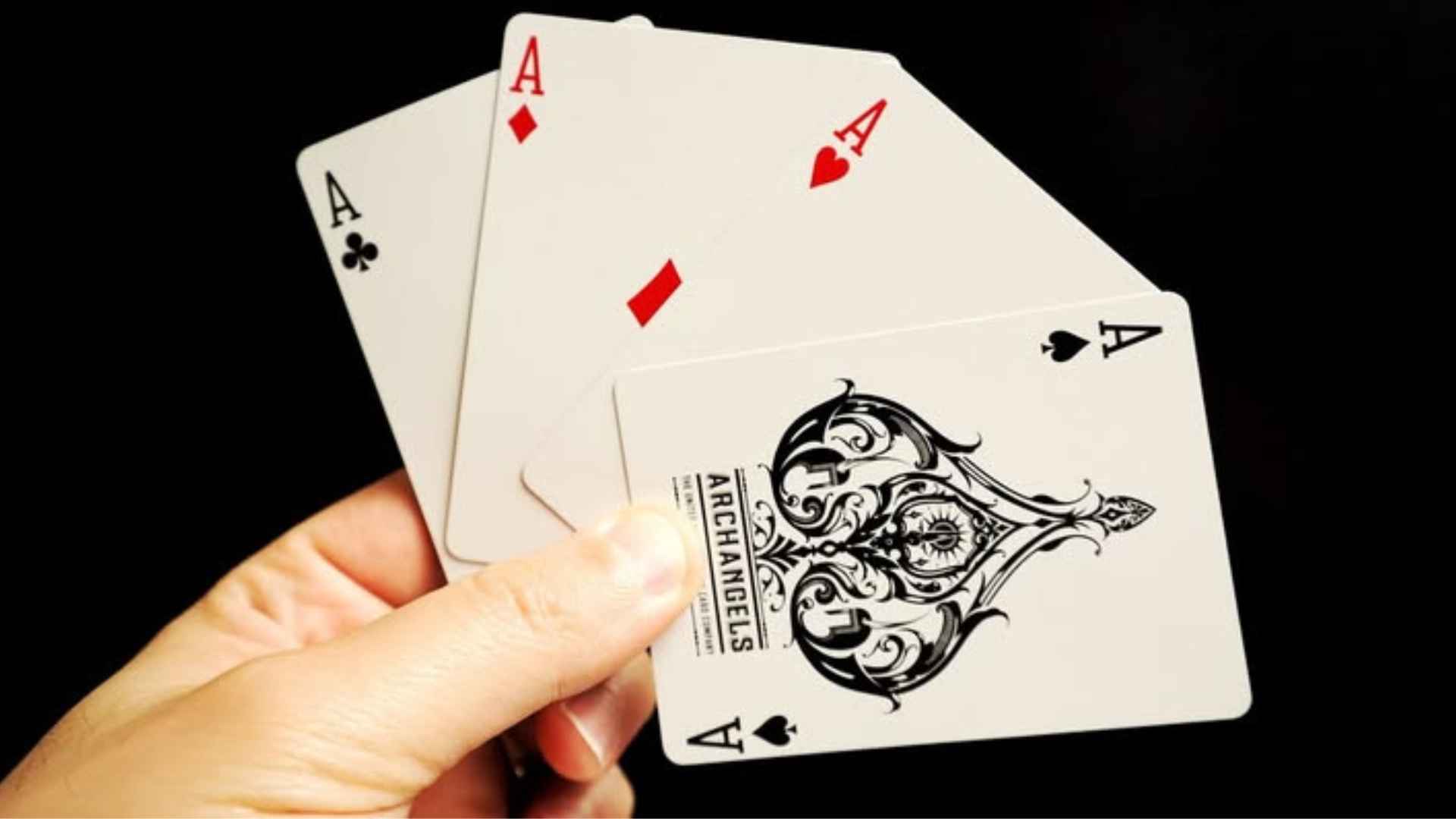
The perception of traditional tabletop and card games has undergone a significant transformation as societal values move toward digital integration and shared entertainment. Once viewed by some as exclusive, niche hobbies reserved for specific social classes or secluded venues, these classic pastimes are now recognized for their cultural and intellectual value. Shifting attitudes have helped global audiences appreciate the foundational strategic mechanics and deep social connections that early gaming formats provided.
The Shifting Perception of Early Gaming Rooms
Historically, classic gaming structures thrived inside private European salons and early social clubs where specific codes of conduct governed every round. These environments combined strategic risk with strict behavioral etiquette, framing the activities as sophisticated community rituals rather than simple pastimes. Over time, broader public access dismantled these rigid barriers, allowing diverse groups of people to participate in historical gameplay styles.
As these traditions left exclusive enclaves, the cultural narrative shifted from exclusive luxury to a mainstream appreciation for tactical skill. Modern audiences view these classic table designs as important historical milestones that shaped contemporary leisure habits. This transition allowed ancient card and tile games to maintain their integrity while shedding old societal stigmas.
The Rise of Interactive Entertainment and Shared Participation
One of the primary drivers behind this reputation shift is the growing cultural desire for highly interactive and participatory experiences. Traditional gaming formats relied heavily on human interaction, manual dealing rituals, and rotating responsibilities among everyone present at the table. This collaborative framework stands in stark contrast to early automated systems that isolated individual players from one another.
By highlighting the importance of personal choice and direct engagement, modern commentators have revived interest in older game variations. Players looking to explore authentic card matchups and sophisticated strategy systems can easily check an m88 platform to see how classic concepts translate onto modern screens. This ongoing focus on active engagement ensures that the core appeal of human decision-making remains highly relevant today.
How Skill Based Analytical Formats Gained Respect
The academic and cultural validation of game studies has also played a crucial role in improving the reputation of classic wagering formats. Instead of viewing historical variants purely through the lens of random chance, researchers now emphasize the rigorous probability distributions and psychological depth involved. This analytical approach has transformed how casual players view table positions and calculation methods.
Understanding how seating arrangements and drawing conditions impact risk allows participants to approach games with structured discipline. This intellectual appreciation has elevated classic tabletop activities to the same cultural standing as chess or strategic board games. As a result, modern enthusiasts celebrate these pastimes for their mental stimulation and mathematical structure.
Preserving Historic Ethics in a Digital Landscape
The transition of historic gaming into global digital networks has successfully preserved the traditional focus on fair play and community accountability. While contemporary platforms offer unmatched convenience, they intentionally replicate the interpersonal dynamics and structural guidelines of early salons. This careful balance ensures that the heritage of classic entertainment is not lost to complete automation.
Ultimately, cultural evolution has allowed traditional gaming to emerge as a respected pillar of global leisure culture. By focusing on shared risk, cognitive challenges, and historical legacy, these classic pastimes continue to capture the interest of modern generations. The ongoing respect for early game mechanics proves that foundational human interactions remain timeless.